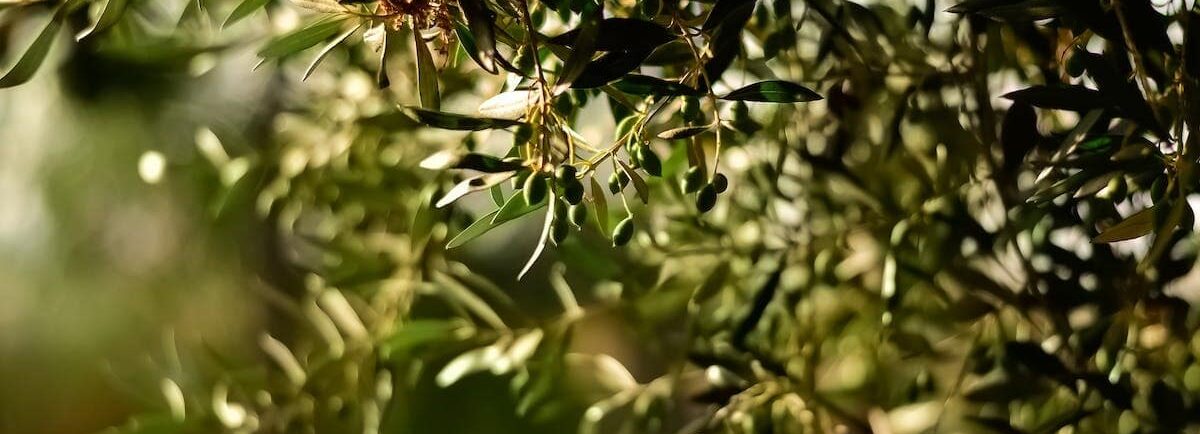
In the world of olive tree plantations, the healthy appearance of leaves is a vital indicator of the tree’s well-being. When these leaves begin to yellow, it can be a sign of several common diseases. These diseases, varying in type and severity, can be caused by environmental factors, pests, or fungal infections. They can severely affect not only the appearance of the tree but also its ability to produce quality olives. To protect these precious trees, be sure to closely observe the yellowing leaves so that you can act quickly and effectively.
Origins of yellow leaves in olive trees: a mystery to unravel
In the vast world of arboriculture, the manifestation of a ‘yellow leaf olive tree’ is a major concern for producers. The visible symptoms on the leaves can vary depending on the disease affecting the tree. You may observe colored spots, ranging from yellow to brown, or even cases of necrosis or leaf deformations. A premature drop of olives can also be part of these alarming signals.
A thorough examination is necessary when faced with a ‘yellow leaf olive tree’ scenario. Comprehensive testing allows for the precise identification of the pathogen responsible for the observed decline in your olive tree.
The range of possible causes is broad: they can stem from a hostile environment such as extreme weather or severe nutritional deficiencies. The possibility that your tree is suffering from fungal or bacterial infections specific to this species should not be overlooked.
The appearance of a ‘yellow leaf’ in an olive tree could have disastrous repercussions on its overall health if no corrective measures are implemented quickly. Indeed, when these trees lose their photosynthetic capacity due to this leaf wilting, it directly impacts their growth and consequently the future production of olives.
To avoid this potential agronomic disaster related to ‘yellow leaf olive trees’, several preventive methods should be considered without delay. This specifically includes rigorous management of the environmental conditions surrounding your olive trees: optimal maintenance of water balance, appropriate fertilization, weed control, and systematic removal of infected elements.
Natural treatments as well as chemical ones can help in the fight against the ‘yellow leaf olive tree’ phenomenon: regular application of Neem extract or occasional use • but always cautiously according to manufacturer recommendations • of phytosanitary products.
Vigilant monitoring is therefore essential for all farmers facing the apparent symptoms presented by their plantations so that they can act as quickly as possible against the ‘leaf yellowing’ threat. Proper and consistent care given to these fruit trees will ensure their good health as well as an abundant harvest.
Symptoms on leaves: an alarming signal for olive groves
In the context of common olive tree diseases, it is essential to identify the factors promoting the appearance of yellow leaves. Several elements can contribute to this degradation of tree health.
Climatic conditions play a crucial role in the development of this leaf affliction. Olive trees are particularly sensitive to extreme temperature variations and excessive humidity. A warm and dry climate is generally favorable for their optimal growth, while high humidity can facilitate the proliferation of pathogens responsible for leaf yellowing.
Some inappropriate soils can also exacerbate this situation. Olive trees thrive in well-drained soil with an appropriate pH. A deficiency in certain essential nutrients such as nitrogen, phosphorus, or potassium can weaken the trees and make them more vulnerable to diseases.
Poor agronomic management can promote the appearance of yellow leaves in olive trees. Inadequate practices such as excessive or insufficient fertilization can disrupt the nutritional balance necessary to maintain the vitality of the trees.
Some pests specifically linked to olive groves can play a significant role in this morbid process. The black scale (Saissetia oleae), for example, feeds on sap from the branches and thus causes abnormal leaf discoloration, while the olive fly (Bactrocera oleae) can also cause severe damage to fruits and leaves.
It should be emphasized that good cultural practices and regular monitoring are essential to prevent the onset of this disease. Methods such as proper tree pruning, weed removal, and adherence to an appropriate treatment schedule can minimize the risks associated with yellow leaves.
Understanding the factors promoting the appearance of yellow leaves in olive trees is crucial to protect these precious fruit trees. By acting on these various fronts • climatic, nutritional, and agronomic -, farmers can preserve their harvest while ensuring better overall health for their olive plantations.
Factors promoting yellow leaves: conditions to monitor
Beyond the visible symptoms such as leaf yellowing, the yellow leaf disease can have detrimental consequences on the overall health of the olive tree. Indeed, when trees are weakened by this affliction, their ability to resist other diseases and pests is greatly diminished.
A low tree vigor makes it more susceptible to attacks from other pathogens such as fungi or bacteria. Fungal infections like verticillium wilt or anthracnose can spread with alarming speed in such a context. These diseases then lead to a progressive decline of the olive tree and can even cause its premature death.
The leaf affliction due to yellow leaves has a direct impact on the tree’s photosynthesis. Chlorophyll, responsible for capturing sunlight to produce energy, is compromised, thus reducing its ability to synthesize the nutrients necessary for healthy growth and development.
This also results in a decrease in fruit yield in affected olive trees. Trees that are impacted often produce fewer olives, or their fruits are affected by physical defects that impact their commercial quality.
Considering the need to properly maintain olive trees for their survival, a decrease in productivity can have significant financial repercussions.
Consequences on the health of olive trees: a threat to production
To prevent the appearance and spread of yellow leaves, rigorous preventive measures are necessary. Careful selection of plants when establishing an olive orchard is essential. Opting for disease-resistant varieties such as ‘Picholine’ or ‘Frantoio’ helps to limit risks.
Proper soil management plays a crucial role in the health of olive trees. It is recommended to avoid poorly drained soils that promote the development of pathogens responsible for yellow leaves. Good crop rotation and soil improvement through organic amendments also contribute to strengthening the tree’s natural defenses.
The practice of prudent pruning is another essential measure to protect olive trees against this devastating disease.
Preventive measures against yellow leaves: actions to implement
When, despite all precautions taken, the olive tree is affected by yellow leaves, various treatments are available to attempt to combat this disease. Among these options, we find both natural solutions and chemical products.
Natural treatments prove to be an environmentally friendly alternative that preserves fruit quality. The use of plant extracts such as pyrethrum or neem can help repel certain pests responsible for the spread of the disease. The use of nutrient-rich organic fertilizers helps to strengthen the tree’s defenses against pathogenic attacks.
Alongside natural solutions, there are also chemical treatments specifically designed to control and eradicate the pathogens responsible for yellow leaves. Broad-spectrum fungicides such as copper are commonly used in the treatment of infected trees to eliminate harmful fungi causing this devastating disease. Their impact on the environment should be minimized.
It should be emphasized that these treatments do not guarantee a complete cure but rather effective control of the symptoms related to yellow leaves. You must intervene at the first signs of infection to maximize the chances of the tree’s recovery.
The fight against yellow leaves in olive trees requires a comprehensive and balanced approach. By combining rigorous preventive measures, environmentally friendly treatments, and the judicious use of targeted chemical products, a healthy balance between protection and preservation must be found.
Natural and chemical treatments: options to save olive trees
In this quest for olive tree preservation, it is important to remember that regular monitoring of orchards is a key element in the fight against yellow leaves. Careful examination of the leaves will allow for the quick identification of any suspicious signs and intervention before the infection spreads further.
Although formidable for olive groves, yellow leaves are not invincible against the efforts of farmers and experts. Through a combination of preventive measures, appropriate treatments, and prudent management, you must find even more effective solutions. The olive tree deserves our attention and commitment to its preservation, as it represents much more than just a tree: an ancestral symbol nourishing body and spirit for centuries.