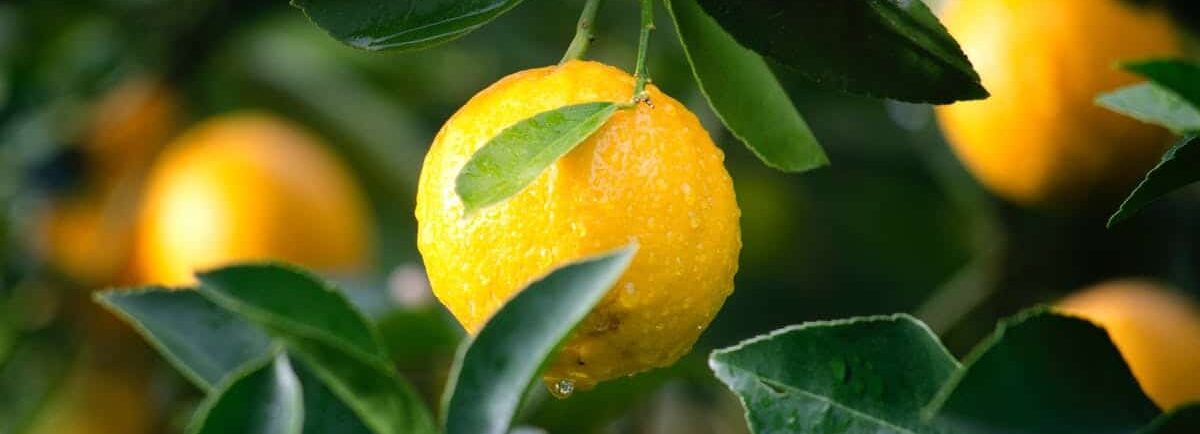
The lemon tree, a fruit tree appreciated for its aesthetics and juicy citrus fruits, can sometimes cause concern for its owners when its leaves begin to yellow and fall. This event, although natural to some extent, can indicate deeper problems if the leaf drop is excessive. The main factors contributing to this phenomenon may include drastic environmental changes, nutritional deficiencies, or pest attacks. Correctly identifying the cause is essential to preserve the health of the tree and ensure optimal fruit production.
Lemon Tree in Distress: Alarming Signs
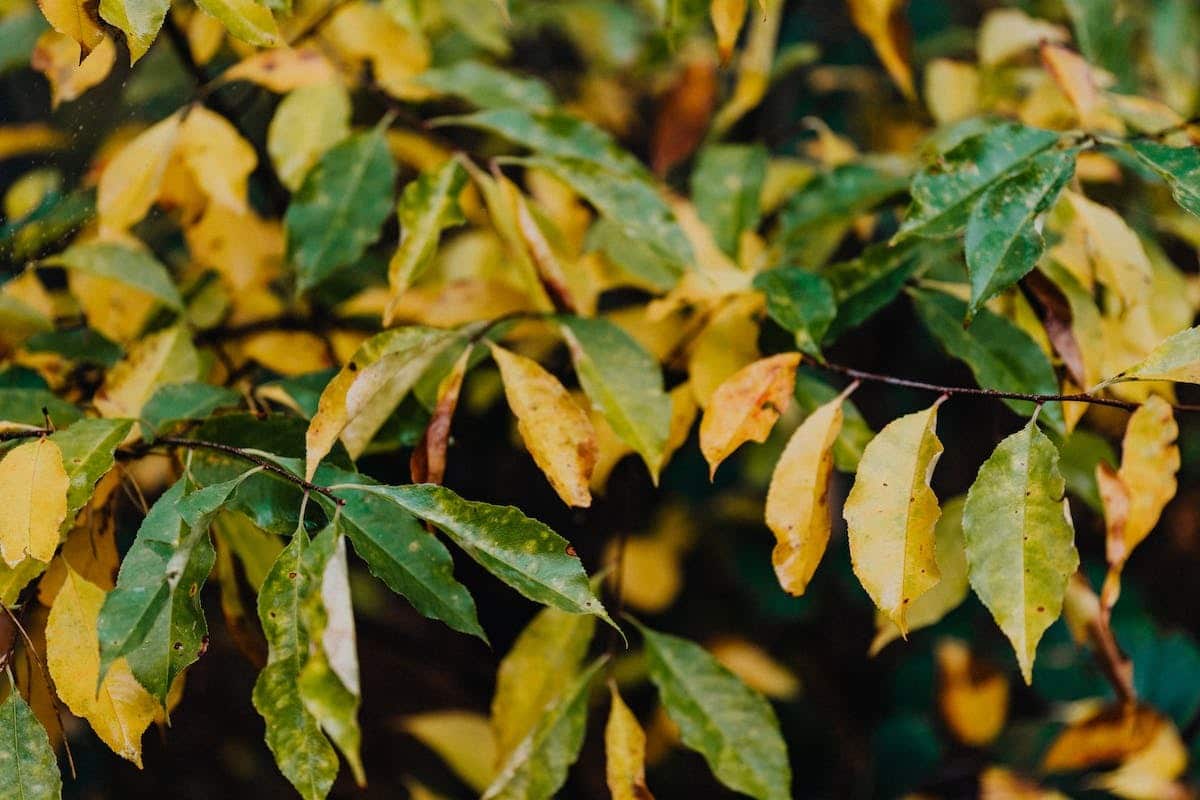
The factors responsible for yellowing lemon tree leaves are multiple and complex. The phenomenon of ‘yellow lemon tree leaves’ is not a disease in itself, but rather a symptom that signals something is wrong.
One of the main factors is water stress. A lack of water can lead to dehydration of the tree and gradually cause this atypical coloration on the leaves. Conversely, overwatering can also be harmful; too much water in the soil creates a humid environment conducive to the development of fungi or pathogenic bacteria that can induce the same symptom.
The type of soil also plays a crucial role. Indeed, if it is too acidic or too alkaline, it disrupts the absorption of essential nutrients by the plant and leads to ‘yellow lemon tree leaves’. More specifically, certain nutritional deficiencies such as those in iron, magnesium, or nitrogen are often responsible for the widespread yellowing of leaves.
Various pests such as aphids or spider mites can cause this problem: they weaken the tree by sucking its sap and thus cause abnormal discoloration. The same goes for certain fungal diseases like root rot, which can also lead to those infamous yellow lemon tree leaves.
To prevent this, several measures should be taken: maintain regular watering without excess to balance the plant’s hydration and soil health; regularly perform pH tests to adjust the acidity/alkalinity level as needed; use products specifically formulated to address possible nutritional deficiencies; frequently monitor potential signs of pest infestation to intervene quickly with appropriate treatments.
Leaf Yellowing: The Culprits Revealed
In the fight against nutritional deficiencies in lemon trees, it is crucial to understand the specific needs of this plant. An iron deficiency, for example, often manifests as yellowing leaves between the veins while the veins remain dark green. A lack of magnesium can lead to a uniform discoloration of the leaves with brownish spots.
To remedy these deficiencies, be sure to carefully follow the instructions provided on the packaging to avoid any excess that could also harm the health of the tree.
Another common deficiency in lemon trees concerns nitrogen, a key element in the growth and development of seedlings. When the soil lacks nitrogen, the leaves become pale and exhibit significant stunted growth. To fill this nutritional gap, using a nitrogen-rich fertilizer can be beneficial.
Health at Risk: Nutritional Deficiencies in Lemon Trees
Diseases and pests can also be the cause of leaf discoloration in lemon trees. One of the main conditions is iron chlorosis, characterized by generalized yellowing of the leaves, without distinction between the veins. This disease is caused by a lack of iron in the soil or by a too high pH that prevents the roots from absorbing iron.
To treat this condition, be sure to regularly check the soil pH and adjust it if necessary to improve nutrient assimilation.
Another formidable scourge for lemon trees is powdery mildew. This annoying fungus appears as a powdery white layer on the leaves, thereby reducing their photosynthetic capacity. Beyond discoloration, it can lead to premature leaf drop.
To effectively combat this fungal disease, there are several preventive treatments such as using sulfur or potassium bicarbonate in the form of a natural insecticide. Be sure to water the tree well.
Among the common pests affecting lemon trees are also whiteflies, small sap-sucking insects that settle under the leaves. Their presence can cause discoloration and weakening of the leaves, leading to their premature drop.
To eradicate these pests, using natural insecticides such as insecticidal soap or neem oil can be beneficial. Be sure to closely observe your lemon tree and pay attention to the signals sent by the leaves. Whether it’s nutritional deficiencies, diseases, or pests, there are always suitable solutions to preserve the health and beauty of fruit trees. By properly caring for the soil, providing balanced nutrition, and ensuring regular monitoring, you can ensure the continued prosperity of the lemon tree in your garden.
Leaf Scourge: Destructive Diseases and Pests
Be sure to take preventive measures to avoid yellowing lemon tree leaves. Ensure that your tree is planted in well-drained, nutrient-rich soil. Regular fertilization with a balanced fertilizer specifically formulated for citrus can help maintain healthy and vigorous growth.
Another tip is to mulch the area around the tree. This will help retain soil moisture, prevent temperature fluctuations, and protect the roots from competing weeds.
When watering your lemon tree, be careful not to wet the leaves too much as this promotes the development of fungal diseases. It is better to water directly at the base or use a drip irrigation system for even water distribution.
Regarding curative treatments, there are several natural options available on the market. For example, using a ferrous sulfate solution can quickly correct an iron deficiency in the soil. Similarly, regular use of nettle manure, horsetail decoction, or garlic extract can help prevent and combat fungal infections.
In case of infestation by whiteflies or other pests, you can opt for biological methods such as introducing natural predators like ladybugs or spraying low-toxicity biological insecticides.
Don’t forget to regularly monitor your lemon tree for any early signs of disease or stress. A quick intervention can save your tree and allow it to regain its vitality.
Finally, the yellowing of lemon tree leaves can have various causes, including nutrient deficiencies, fungal diseases, and pest infestations. With good soil management, adequate nutrition, and careful monitoring, it is possible to prevent and treat these problems. Don’t hesitate to consult an agronomy expert if you encounter specific difficulties in growing your lemon trees.
Preventing and Curing Lemon Tree Yellowing
To keep your lemon tree healthy, be sure to provide it with proper care. This includes various tasks that promote the harmonious growth and development of the tree.
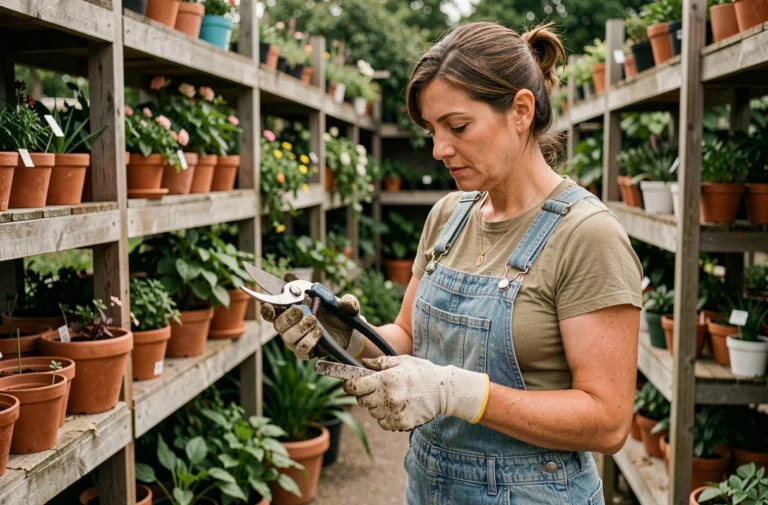
Be sure to perform regular and appropriate pruning. Pruning helps remove dead or diseased branches, promotes air circulation, and optimizes sun exposure. It also helps maintain a balanced shape for the tree.
When pruning your lemon tree, make sure to use clean and sharp tools to avoid any infections caused by pathogens. It is recommended to disinfect your tools between each cut with a solution of rubbing alcohol or diluted hydrogen peroxide.
Pay close attention to watering your tree. Water needs vary by season, but be sure to keep the soil consistently moist without over-saturating it. A drip irrigation system can be used to provide a precise amount of water to the roots while minimizing the risks associated with overwatering.
At the same time, be sure to fertilize your lemon tree regularly so that it receives all the necessary nutrients for vigorous growth. Choose a fertilizer specifically formulated for citrus and strictly adhere to the recommended doses on the packaging. Excessive fertilization can lead to root burns and damage the tree.
Keep a close eye on the signals sent by your lemon tree. Be on the lookout for any changes in the color or appearance of the leaves, as well as the presence of pests or diseases. Early reactions will allow you to act quickly to resolve the problem before it worsens.
It is also wise to regularly consult an agronomy specialist for specific advice tailored to your particular situation. These experts can guide you in the proper care of your lemon trees and answer all your questions regarding their health and well-being.
Caring for a lemon tree requires constant attention and a deep understanding of the specific needs of this species.
Essential Care for a Healthy Lemon Tree
Pest protection is also essential to maintain the health of your lemon tree. Chemical insecticides can be effective, but they can also have harmful effects on the environment and beneficial wildlife. Prefer alternative methods such as essential oils or natural insecticidal soap.
Another important preventive measure is to plant beneficial companions. Certain plants, like lavender or mint, have a repellent effect on some lemon tree pests. They thus promote a balanced coexistence within your garden.
Let’s not forget the importance of well-drained, fertile soil. The lemon tree prefers slightly acidic soil with a good structure that allows the roots to breathe properly. Regularly add organic compost to enrich the soil with nutrients and improve its texture.
Understanding why lemon tree leaves turn yellow and fall is crucial for caring for this iconic fruit tree. Several factors such as fungal diseases, lack of water or nutrients, as well as unfavorable environmental conditions can affect the health of lemon tree leaves.
By applying some principles of proper care such as appropriate pruning, regular watering, adequate fertilization, and pest protection, you can keep your lemon tree healthy and enjoy its delicious fruits.
Don’t forget to be attentive to the signals your lemon tree sends you. Regular monitoring and early intervention will allow you to quickly resolve any issues that may arise.
By following these recommendations, you can savor the lush beauty of your lemon trees throughout the year, with healthy and vibrant leaves that will bring freshness and vitality to your garden.