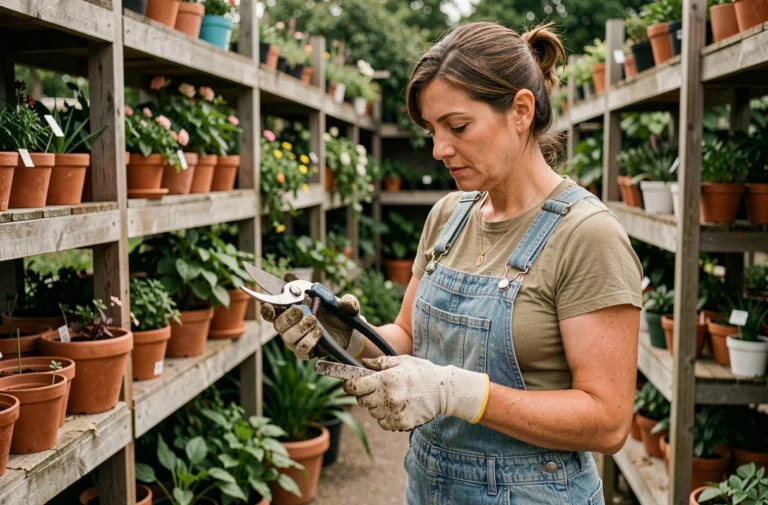
Walking and hiking dominate French sports practices according to the National Sports Practices Barometer 2025. Leisure activities are not just a checklist of things to do: the choice depends on the place of residence, the season, and the level of physical or intellectual engagement sought. Here, we propose a breakdown based on real constraints rather than marketing categories.
Independent outdoor sports practice: the underestimated foundation of leisure
Independent outdoor sports practice has been steadily increasing since 2018. Walking, running, cycling on the go: these activities require no reservation or hosting structure. They represent the primary form of active leisure time for the majority of French people.
This observation changes the way we approach the issue of leisure. Booking platforms highlight escape games, amusement parks, or driving courses, but the daily lives of practitioners rely on free activities that are accessible on foot from home.
For families with children, short hikes (loops of less than two hours) combine nature outings and physical activity without heavy logistics. We recommend checking the Partagez for leisure website to identify routes and ideas suitable for each family configuration.
The required equipment remains minimal: walking shoes, a backpack, a water bottle. The almost zero entry cost partly explains why this practice surpasses all others in volume.

Cultural leisure in France: very unequal access depending on the territory
The place of residence largely determines the type of cultural leisure accessible. In 2025, residents of large urban centers report more outings to the cinema, concerts, theaters, and monuments than those in small towns or rural areas.
Cultural outings slightly declined in 2025 after the rebound observed in 2024. The decline mainly affects museums, festivals, theaters, and libraries. Monuments remain the most practiced cultural activity, likely because they are better distributed across the territory.
Adapting cultural leisure to local offerings
In rural areas, media libraries and community events (Christmas markets, village festivals, outdoor screenings) often provide the first access to culture. In densely urban areas like Paris, the problem is the opposite: the abundance makes choosing difficult without sorting criteria.
We observe that general recommendations ignore this distinction. Creating the same list for a resident of Paris and a resident of a town with fewer than five thousand inhabitants makes no sense. The question to ask is not “what to do?” but “what does my living area concretely offer?”.
Games and activities for families: selection by age group
Family activities are segmented by the age of the children, not by budget. An escape game designed for teenagers does not work with six-year-olds, even if the description states “from 6 years old.”
Children under eight years old
- Nature parks with sensory trails (barefoot, touch, smell) capture attention for short durations, compatible with the concentration capacity of this age group
- Hands-on creation workshops (pottery, painting, construction) provide a tangible result that the child takes home, extending the experience beyond the session
- Outdoor treasure hunts, even improvised in a municipal park, engage motor skills and logic without requiring expensive equipment
Children eight years and older
From the age of eight, escape games and adventure parks become truly usable. The child understands the instructions, manages the frustration of an unresolved puzzle, and collaborates effectively in a team.
Supervised sports activities (climbing, kayaking, archery) also make sense at this age. The concentration capacity exceeds one hour, allowing for half-day workshop formats during vacations.
Indoor leisure for rainy days: beyond screens
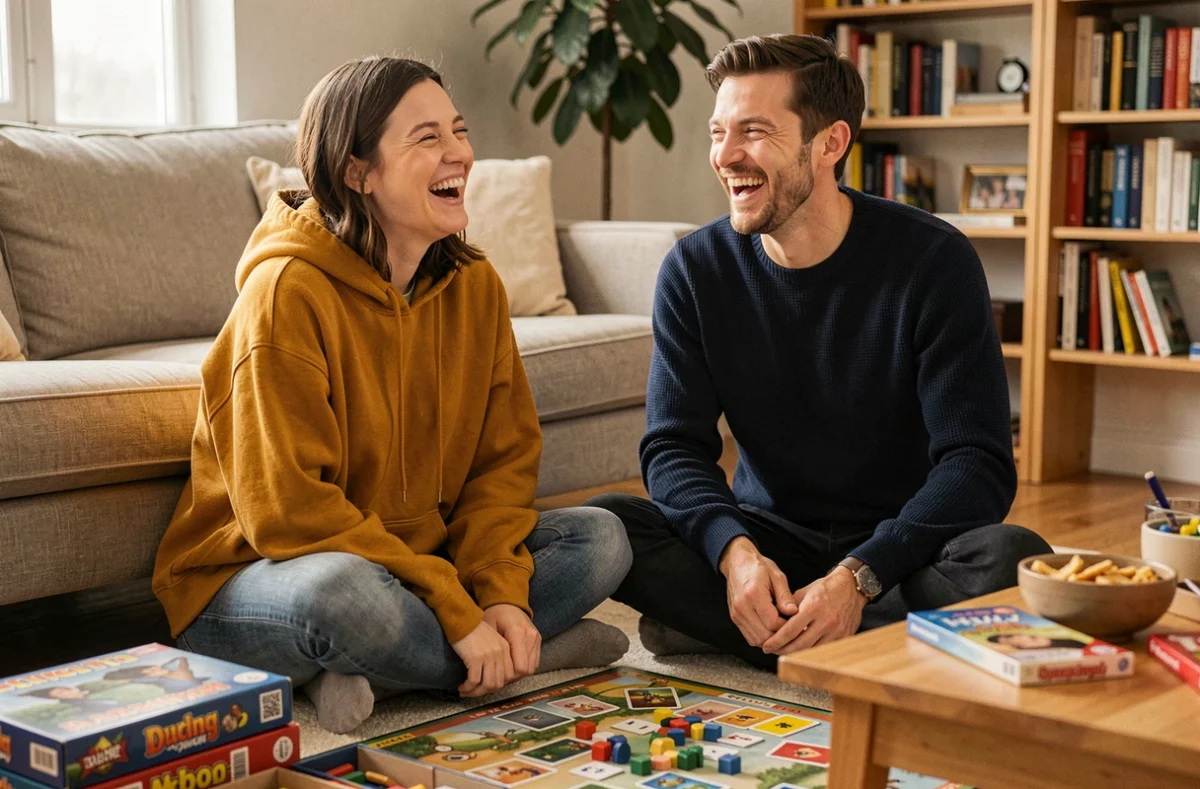
Board games are undergoing a period of intense renewal. Cooperative game mechanics (where all players win or lose together) have transformed family moments into less conflictual experiences than classic competitive games.
Cooking remains the most underrated indoor leisure activity in terms of learning. Weighing, measuring, following sequential steps, managing cooking time: for a child, it’s a disguised exercise in applied mathematics and project management wrapped in a fun activity.
- Recipes with four ingredients or fewer are suitable for beginners and limit the risk of discouragement
- Multi-day projects (sourdough bread, lacto-fermentation) add a scientific dimension to the activity
- Cake or cookie decorating (Christmas period, birthdays) combines manual precision and free creativity
A common mistake is to consider indoor leisure as a plan B. For introverted profiles or families in rural areas without nearby offerings, the home is the primary place for leisure, not a fallback.
Holidays and seasonality: planning leisure differently
The majority of activity searches occur two weeks before school holidays. This peak creates a saturation of slots for popular activities (parks, escape games, sports camps) and a mechanical increase in prices.
We recommend shifting the search one month ahead. Structures that offer early reservations often apply lower rates outside peak demand periods. Nature activities (hiking, cycling, wildlife observation) inherently escape this saturation problem.
Young people aged 15 to 24 frequent cultural facilities more than their elders, which means that university holiday periods place additional pressure on urban cultural venues. Prioritizing weekday slots rather than weekends significantly reduces waiting times and improves the quality of the experience.
The choice of a leisure activity should not depend on a recommendation algorithm. It relies on three simple variables: what the territory offers, the age and desires of the participants, and the season. Starting from these concrete constraints leads to activities that are truly feasible, not decorative lists.