Health in everyday life is no longer just a list of good habits. Behind the advice on diet or sleep, regulatory and technological changes are reshaping how each person can monitor, understand, and protect their health.
The year 2026 marks a concrete turning point: regulation of artificial intelligence in health, new rules on medical data, and transparency obligations. These developments directly alter what you can expect from digital tools, applications, and the professionals who support you.
Generative AI and Health: A Regulatory Framework That Changes the Game
Health applications incorporating artificial intelligence are multiplying, from pre-diagnostic chatbots to nutritional tracking assistants. Their reliability raises a concrete question: who verifies what these tools tell you?
The Haute Autorité de santé (HAS) adopted, on October 23, 2025, its first keys for the use of generative AI in health. This document establishes operational principles: systematic verification of generated responses, mandatory human supervision, traceability of exchanges, and user training. For a patient, this means that an AI tool used in a care pathway can no longer function as a black box.
Several platforms offering health information on vivamedical.fr already allow for cross-referencing automated recommendations with verified medical sources, illustrating this demand for reliability.
Meanwhile, since August 2, 2026, the European AI Act imposes explicit transparency: every user must know when they are interacting with an artificial intelligence system. Some AI-generated content must be labeled as such. This obligation creates a clear boundary between automated advice, validated medical information, and the opinion of a healthcare professional.

Health Data in Europe: Towards Organized Sharing Between Countries
One of the least visible but most structuring changes concerns the circulation of medical data. The European Health Data Space (EHDS) has been adopted by the European Parliament. This framework ensures that every citizen can access their own health data and share it with a professional in another member country.
The stated objectives are twofold:
- To enable continuity of care during travels in Europe by providing access to prescriptions, test results, and medical history from a single portal
- To facilitate medical research by allowing the secondary use of anonymized data, under strict protection conditions
- To harmonize exchange formats between hospital systems, a technical issue that currently hinders the interoperability of medical records
The available data does not yet allow for measuring the concrete impact on patients’ daily lives, as deployment is gradual. Feedback from the field varies regarding the ability of hospital IT systems to quickly adapt to these new interoperability requirements.
Prevention and Nutrition: What the 2026 Trends Really Reveal
Articles on healthy eating habits often look alike. However, what is truly evolving in 2026 is the link between diet, personal data, and targeted prevention.
Personalized nutrition is gaining ground. It is based on the idea that the same food does not produce the same metabolic effects in two different people. Applications now analyze individual glycemic responses to tailor dietary recommendations. The principle is appealing, but the quality of the algorithms used varies significantly from one product to another.
What deserves attention: the boundary between nutritional advice and medical act remains blurred in the digital realm. An application that recommends modifying your diet based on blood biomarkers operates in a regulatory gray area. The HAS and European authorities are working to clarify this scope, with no definitive rules published yet.
Sleep and Stress: More Accurate Sensors, Promises to Verify
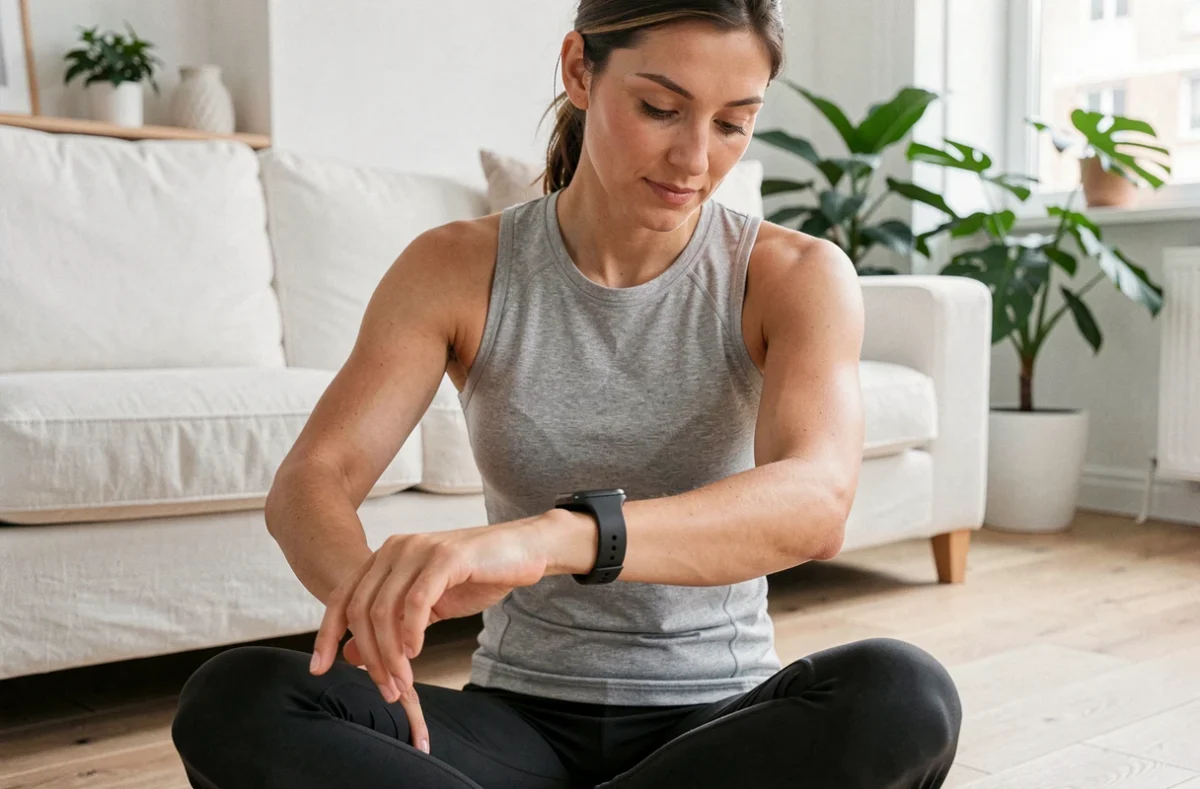
Connected devices dedicated to sleep and stress management are improving. Smartwatches and rings measure heart rate variability, sleep cycles, and provide daily recovery scores.
These data offer a longitudinal follow-up that the medical community could not easily obtain. A sensor worn every night produces more sleep data than a one-time consultation. However, the correlation between a score displayed on an app and a real health state remains debated in the medical literature.
Mental Health and Social Media: A Regulatory Awareness
The link between intensive use of social media and risk to mental health is receiving increasing attention from public authorities. Several European countries have strengthened the obligations of platforms regarding the protection of minors and the moderation of health-related content.
In France, discussions focus on the regulation of unverified health content disseminated on social media. The challenge lies in the volume: millions of daily posts mix personal testimonials, self-proclaimed advice, and sourced medical information, without users always being able to distinguish between them.
Digital quality of life is becoming a health parameter in its own right. Reducing screen time remains a common piece of advice, but the real issue is more about the nature of the content consumed than its raw duration.
What Changes Concretely for Monitoring Your Health
The developments of 2026 outline a landscape where technology and regulation advance simultaneously, sometimes at different paces. AI in health is now governed by verifiable principles. European medical data is beginning to circulate within a structured legal framework. Personal monitoring tools are gaining technical precision, although their medical value is not always established.
Understanding your health on a daily basis increasingly depends on the ability to assess the reliability of the sources consulted. A tool that is transparent about its limitations will always be more useful than a tool that promises certainties.