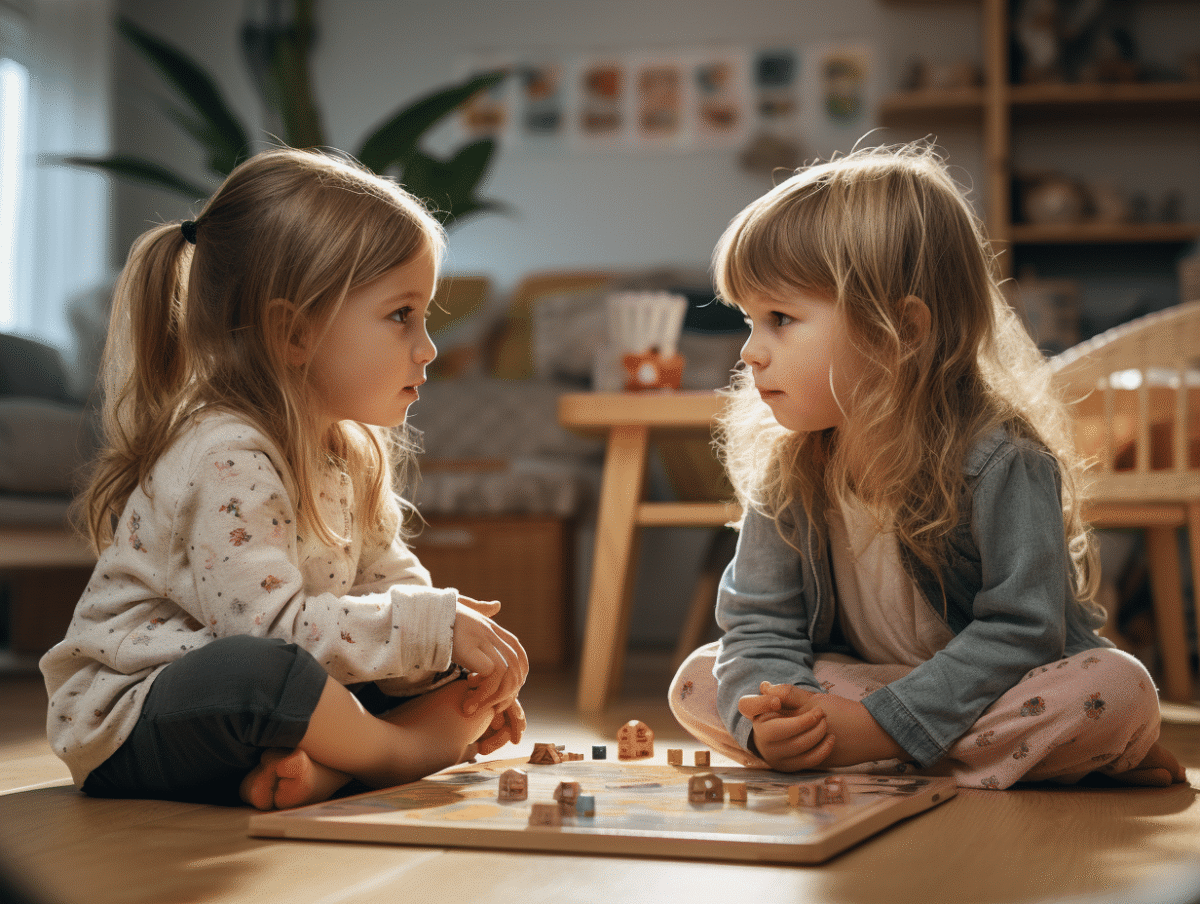
In family dynamics, disputes between siblings are as common as the leaves that blanket the ground in autumn. This aspect of family life, often seen as an inevitable rite of passage, can have profound repercussions on emotional development and long-term relationships. The frequency and intensity of these conflicts vary according to ages and personalities, but one thing is certain: knowing how to manage them skillfully is an essential asset for maintaining family harmony and teaching children the necessary skills to resolve conflicts constructively.
Understanding the Origins of Sibling Disputes
Sibling conflicts are not anomalies but natural manifestations of communal living. Nicole Prieur, psychologist and author, emphasizes that these quarrels are normal and necessary for learning how to live in society. Indeed, they often illustrate the jealousies and rivalries that emerge in the quest for self-assertion and recognition within the family unit.
Children, in their daily interactions, are inevitably involved in disputes that illustrate issues of power and attention. The blog ‘Je Suis Maman’ highlights that jealousy can be a central driver of these tensions; a child may feel neglected or less favored than their sibling, provoking strong reactions and conflicts.
Despite this, let us not forget that siblings also share a unique bond of complicity. This bond is the foundation upon which conflict resolution and the learning of cooperation are built. Jealousy and rivalry are not inevitabilities but stages, moments when ties can be strengthened through proper management of emotions and each person’s needs.
Keep in mind that expressing needs and emotions is a crucial skill. Encouraging children to verbalize their feelings, listen to others, and seek solutions together is a fundamental approach for resolving and preventing disputes. Communication, the cornerstone of any healthy relationship, must be taught early and practiced often so that conflicts become learning opportunities rather than relational dead ends.
Educational Strategies for Resolving and Preventing Conflicts
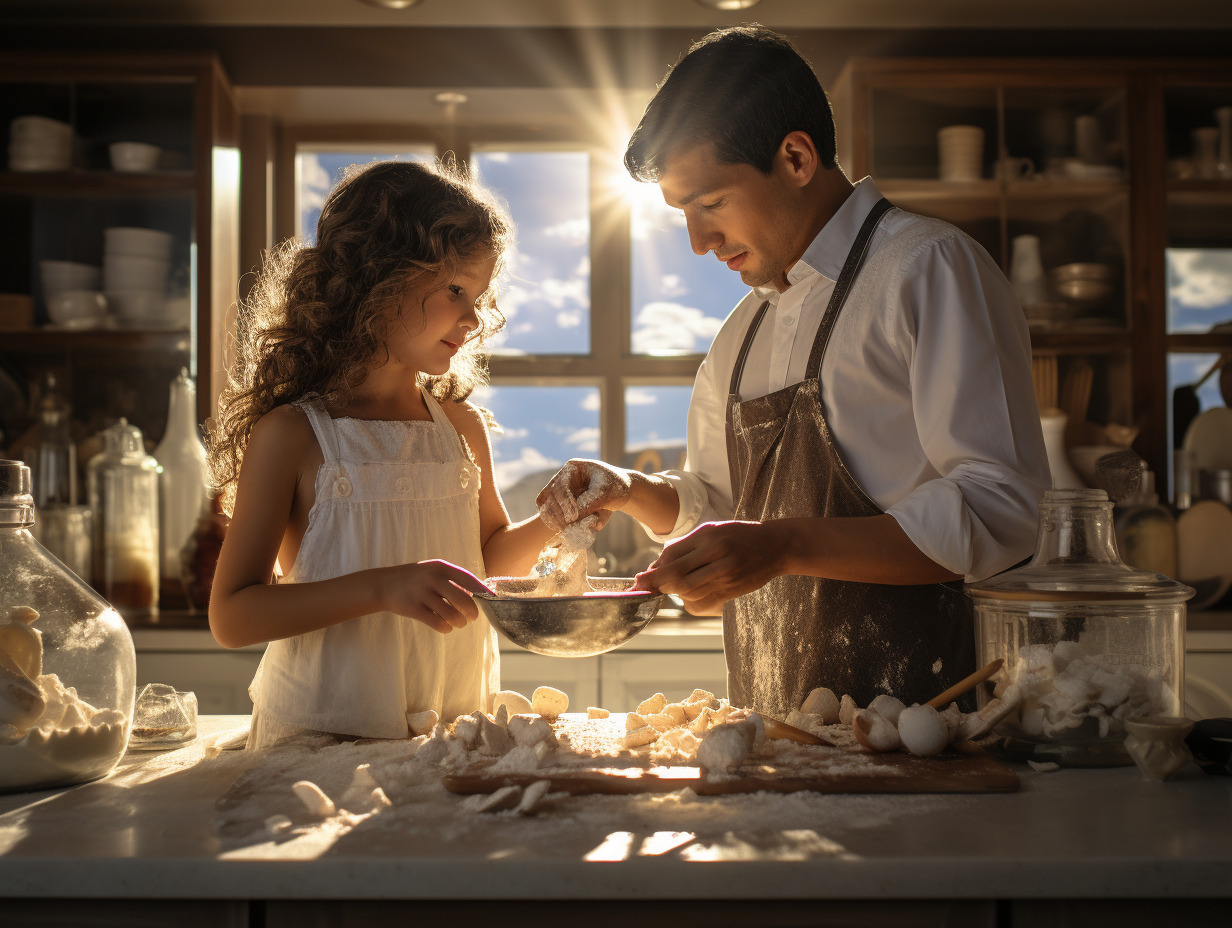
Child psychology specialists, such as Lawrence Cohen, advocate for the use of play as an educational tool to enhance children’s confidence in their abilities and to teach them how to manage sibling conflicts. Educational games, indeed, provide a safe framework where children can experiment with various roles and scenarios, thus fostering empathy and mutual understanding. In this context, parents play a crucial role in selecting activities that encourage sharing and collaboration among siblings.
Thomas Gordon, a renowned psychologist, highlights a win-win method, where conflict is approached constructively. This approach aims to equip children with skills for conflict resolution where all parties find satisfaction. When managing disputes, parents must strive to remain neutral, not take sides, and encourage their children to express their feelings and needs in a respectful and constructive manner.
Education in conflict resolution should be integrated into daily life. It involves teaching specific skills such as active listening, negotiation, and mediation. Through these learnings, children acquire the ability to manage disagreements autonomously and respectfully, thus laying the groundwork for more harmonious interpersonal relationships in the future. Parents are responsible for providing the necessary tools and support so that their children can navigate the sometimes turbulent waters of sibling relationships with confidence and competence.