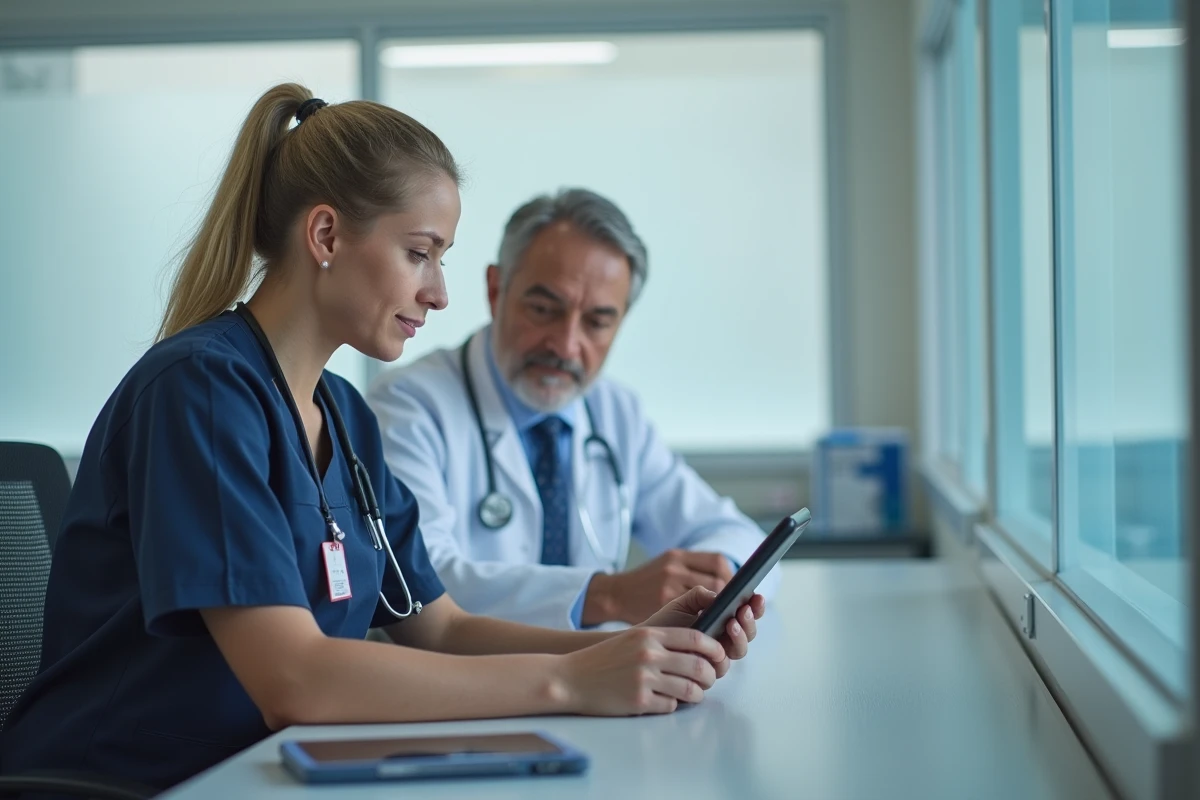
60% of French general practitioners today rely on a prescription assistance tool: this is not a figure pulled from a report lost in a drawer, but a reflection of a shift that has already begun. According to Health Insurance, the increasing administrative tasks continue to weigh heavily on the shoulders of caregivers. Nevertheless, some hospitals and practices are already noting a real difference: by integrating digital health assistants, they are managing to significantly reduce the time spent on paperwork.
Digital solutions are taking an increasingly prominent place in medical structures. We are far beyond mere gadgets: it is about rethinking daily operations, optimizing file management, internal communication, and the transmission of information. The result is a practice that gains in efficiency and responsiveness, benefiting patient follow-up.
Advanced medical software: an overview of tools transforming caregiver practices
Advanced medical software is reshaping the contours of hospital or private practice operations. General practitioners, nurses, medical assistants: all now rely on these tools to streamline the care pathway, from appointment scheduling to patient record archiving. The robustness of computerized systems and the security of health data provide reassurance, especially in the face of increasing pressure on time and the reliability of processes.
Centralizing medical history, prescriptions, and reports in a protected space: this is the promise of the patient record, now the pivot of medical activity. Repetitive tasks, billing, or follow-up consultations are automated to free up time for care. Caregivers no longer juggle scattered files: everything converges in a clear and secure interface.
To better understand their impact, here are the areas in which these tools are revolutionizing organization:
- Communication between health professionals: messages exchanged in real-time, crucial information transmitted without unnecessary delays.
- Optimized administrative management: paperwork diminishes, the quality of follow-up increases.
- Analysis of medical data: every decision is based on a consolidated history, allowing for tailored patient support.
When raw information transforms into clear data, consultations gain in fluidity and relevance. Feedback from the field is unequivocal: improved efficiency, strengthened follow-up, restored trust.
To concretely explore the functionalities of a digital health assistant and their usefulness for practitioners, you can see the services of Your Health Assistant.
What innovations does artificial intelligence bring to the healthcare sector?
Artificial intelligence is no longer just about promises: it is gradually infiltrating the daily lives of practices and hospitals. New digital assistants are taking on the automation of tasks: administrative processing, proactive information extraction, monitoring of patient data. The immediate result: caregivers escape the screen to spend more time with patients.
The intelligent analysis of medical data allows for quicker detection of anomalies and weak signals, adjusting treatments with greater discernment. When an algorithm detects an unusual data point in a record, the digital assistant immediately alerts. Security, confidentiality, traceability: every action remains controlled.
These developments translate into tangible progress on the ground:
- Automation of administrative management: appointment scheduling, reminders, billing occur without manual intervention.
- Intelligent analysis of records: useful information appears as a priority, care processes are refined.
- Enhanced communication: data exchanges and tele-expertise allow for quick and effective teamwork.
Ergonomics follows suit: intuitive interfaces, streamlined navigation, operation adapted to the pace of caregivers. A general practitioner from Loiret states: “I find key information in two clicks, everything is there, without friction, and I can finally dedicate more time to dialogue.”
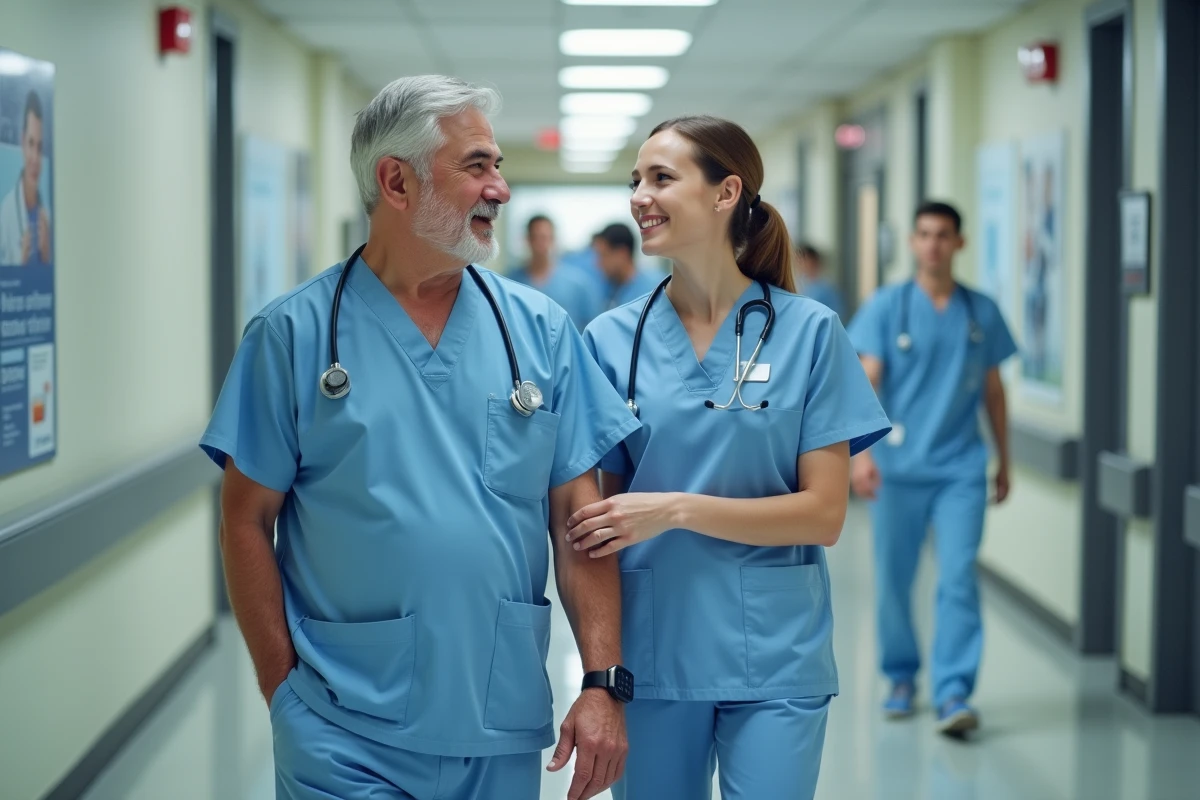
Digital solutions for optimal daily care management
Digital transformation also means a new work rhythm. The care pathway becomes smoother. Access to patient records, information transmission, and role distribution occur seamlessly, even between different departments or structures. The result: fewer errors, faster teams, and better patient follow-up.
Here, digitalization is enriched with real added value. A well-designed medical software traces every step of care, records actions, and monitors therapeutic evolution. Compliance with security standards ensures reliable information flow, keeping health data safe while making it available to authorized professionals.
At every phase, these tools bring about real improvements:
- Better organized consultations: automated appointment scheduling and reminders reduce last-minute absences.
- Shared access to records: every team member can immediately view the entire history.
- Individual follow-up: alerts for exams to be performed, notifications in case of discrepancies in results.
The quality of care is reflected in caregivers’ ability to share and utilize medical information in real-time. Centralizing, cross-referencing, and updating patient data in secure platforms allows teams the luxury of refocusing on their profession: listening, analyzing, supporting.
Thus, the daily lives of caregivers shift into a renewed routine. Digital solutions have found their place, initially misunderstood, now widely embraced. Tomorrow, this new blend of technology and proximity continues to advance, far beyond the walls of the practice.