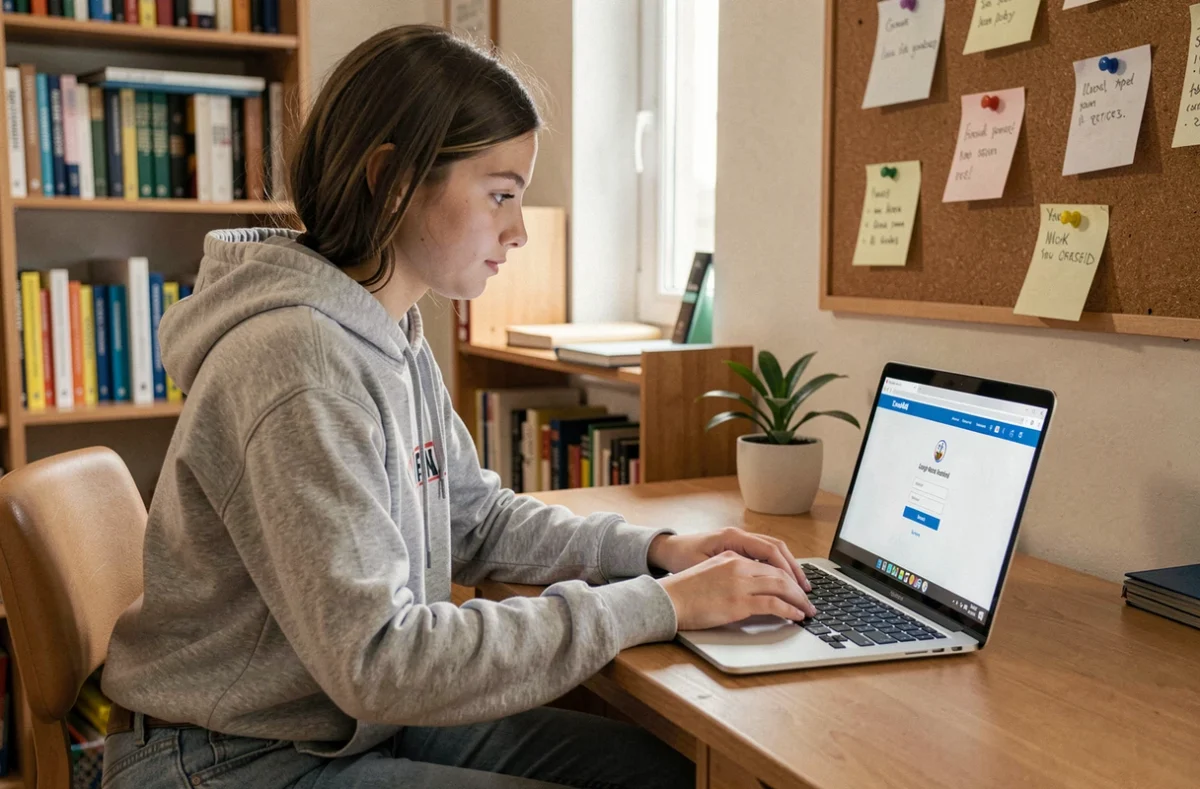
Every new school year, the same scenario repeats: we search for the Pronote portal address of the institution, we stumble upon an old link that no longer works, and we end up calling the administration office. The problem rarely comes from a forgotten password. It arises from the fact that the Pronote URL changes depending on the institution and the connection method chosen by the Roger-Martin-du-Gard middle or high school.
Direct access or ENT: why the Pronote RMG address varies from year to year
Pronote does not have a unique national address. Each institution has its own URL, generated during the server configuration by the administrator. When the middle or high school switches to access via the ENT (digital workspace), the old direct link may be disabled without notice.
In practice, two scenarios coexist. In the first, you log in directly to the Pronote page of the institution with the credentials provided at the beginning of the year. In the second, you first go through the ENT (via EduConnect, for example), then click on the Pronote tile without having to re-enter a password. This is known as delegated authentication, or SSO.
To avoid navigating blindly, the most reliable method remains to consult the official website of the institution or the back-to-school letter. This is where the updated link is found. Any attempt to find the correct page via a search engine exposes you to outdated results, or even phishing pages that mimic the Pronote interface. A detailed guide on the connection to the Pronote RMG portal allows you to verify that you are indeed using the correct address.
Parent account and student account on Pronote: two spaces not to be confused
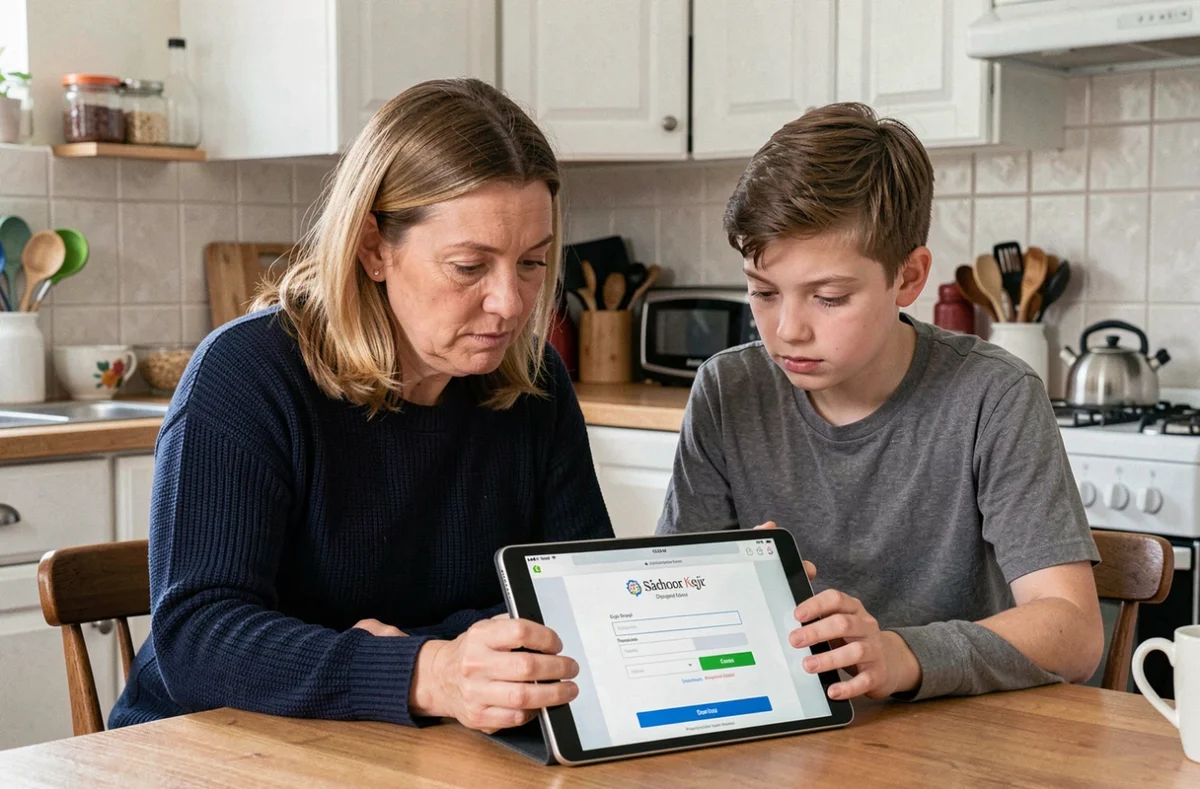
The distinction between the Parent Space and the Student Space is often underestimated. Using the parent’s credentials to access the student space (or vice versa) will systematically result in a connection refusal, without an explicit error message.
Separate credentials, separate rights
The institution distributes two distinct sets of credentials: one for the legal guardian, one for the student. Each provides access to different functionalities.
- The Parent Space displays report cards, grades, absences, and allows communication with teachers or school administration.
- The Student Space provides access to the homework diary, assignments, and educational resources shared by teachers.
- Legal guardians sometimes need to activate their EduConnect account with the phone number provided during the child’s registration before they can access Pronote via the ENT.
If the household has two legal guardians, each can have their own access. Feedback on this point varies by academic authority, but most institutions do generate two distinct accounts.
Pronote mobile app: configure the QR code without compromising security
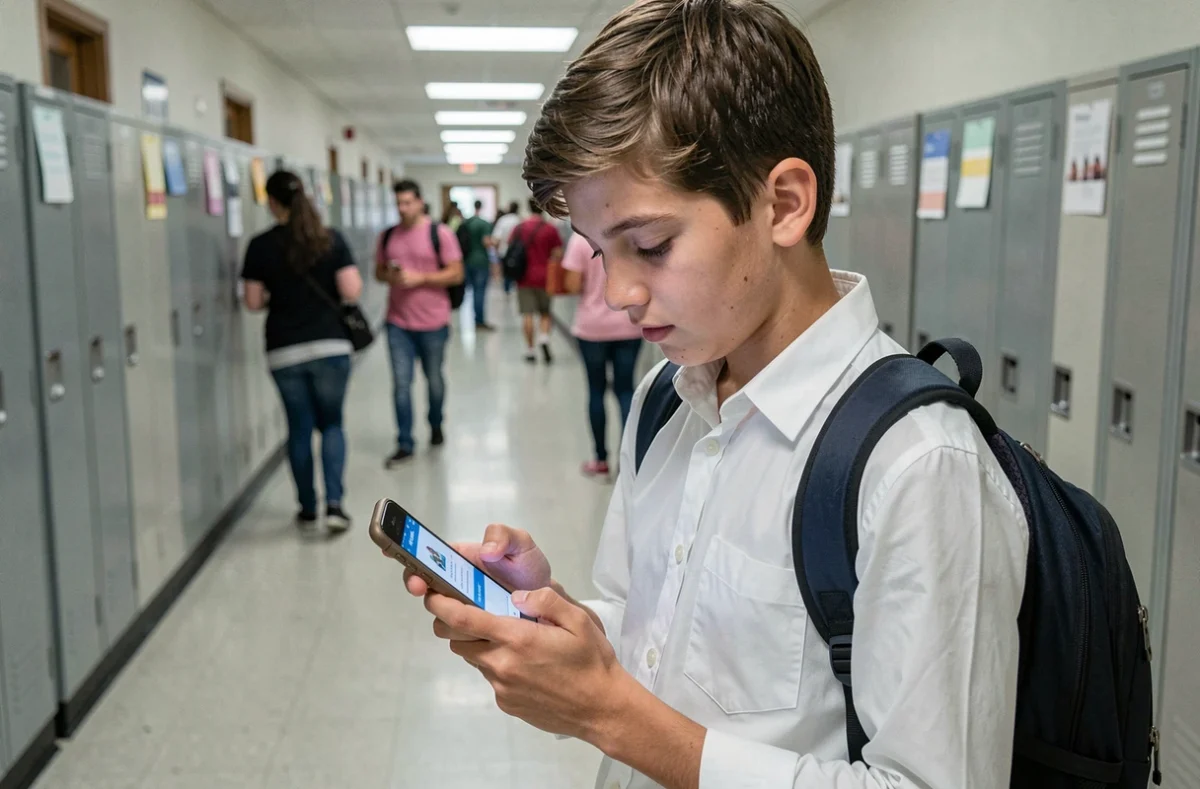
The Pronote mobile app (available on Android and iOS) is often the quickest way to check grades or the homework diary on a daily basis. Its initial setup involves a QR code displayed in the web space, once logged in from a computer.
Why the QR code is sensitive data
The QR code contains the necessary elements to add the account in the app. Anyone who photographs it or receives it via messaging can potentially configure access on their own phone. Therefore, it should never be sent via SMS, email, or instant messaging.
To set up the app correctly:
- Log in to Pronote from a web browser on a computer or tablet.
- Access the QR code generation section (often in account settings or on the homepage of the space).
- Scan the QR code directly with the Pronote app open on the phone, without taking an intermediate screenshot.
- Set a four-digit PIN that will secure daily access to the app.
Once the QR code is scanned, the app remains connected to the account. No need to re-enter credentials every time you open it, the PIN is sufficient.
Frequent connection issues and resolution on Pronote RMG
Before contacting the administration office, a few checks can resolve most of the blockages encountered by families.
Blank page or error 503 at the beginning of the year
In the first weeks of September, the Pronote servers are overwhelmed by thousands of simultaneous connections. A blank page or a 503 error usually indicates a temporary overload. Waiting a few minutes and trying again resolves the issue in most cases.
Forgotten password or lost identifier
If the institution uses direct access to Pronote, the login page offers a reset link. An email is then sent to the address provided during registration. If access is through the ENT, the recovery procedure must be initiated on the ENT platform (or EduConnect), not on Pronote.
Resetting the password in the wrong place is the most common cause of prolonged blockage. First, check if the middle or high school opted for the ENT or direct access, then act on the correct platform.
Incompatible browser or full cache
Pronote works on recent browsers (Chrome, Firefox, Edge, Safari). An outdated browser or a full cache can cause partial page display. Clearing the browser cache or testing in private browsing usually restores access.
The Pronote portal of the Roger-Martin-du-Gard institution follows the same rules as all institutions using this school life software: the correct address and the right type of identifier determine everything. Keeping the official link bookmarked, distinguishing between parent and student accounts, and protecting the mobile QR code cover almost all situations encountered at the start of the school year.